.png)

If you’ve ever left an enablement session thinking, “wait…so what’s going on?”, don’t worry. Elana and Anna have been there too.
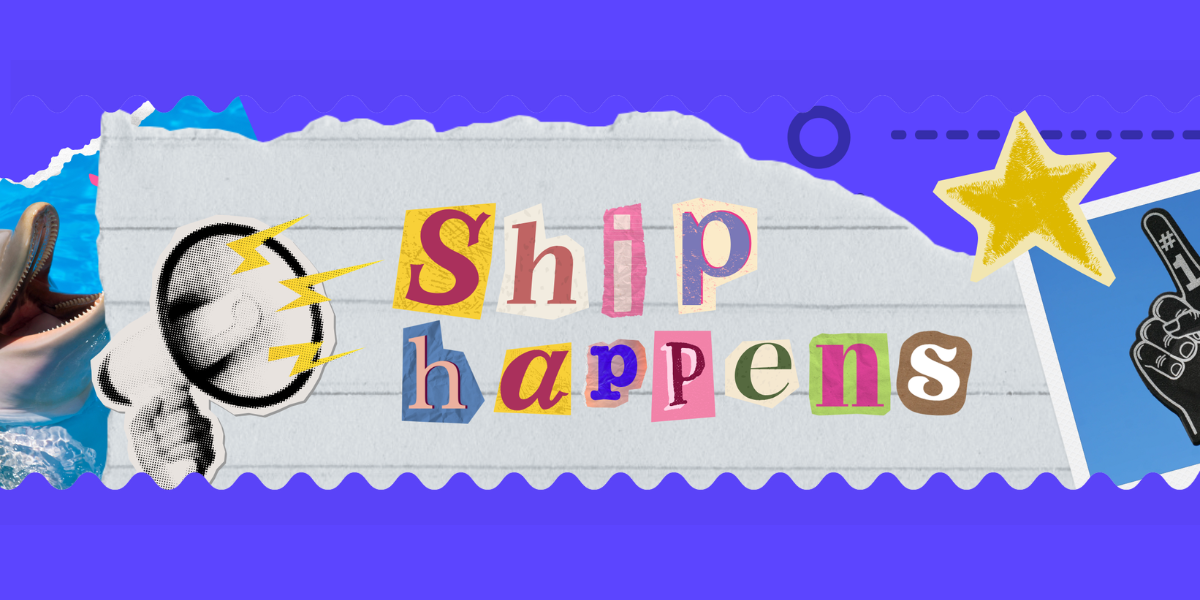
So they built something new: Ship Happens, a podcast-style enablement series for customer-facing teams at Appcues. It’s a recurring, conversation-first format meant to connect the dots across what’s shipping, why it matters, and what teams actually need to do with it.
I sat down with Elana Heffley (Director of Customer Marketing) and Anna Casey (Director of Product Marketing) to talk about the initiative—what sparked it, what they’re hoping it changes, and why “governance” might work better when it’s wearing a podcast costume.
Sara: Okay. Ship Happens. What is this thing?
Anna: Ship Happens is our new enablement podcast series. So it is a regularly recurring event where Elana and I will yap at mostly our customer facing teams about… hopefully two things.
Sara: Two things?
Anna: The first is like high-level what’s going on, and the second is tactical… what do I need to know? Deep dives.
Elana: The reason we’re doing it is because we have the good problem of shipping a lot — new functionality, updates, progress against the roadmap. And it’s very easy for customer-facing teams to get overwhelmed.
Sara: So it’s not just “here are updates.” It’s “here’s how to make sense of them”?
Elana: Exactly. We want to make it easier for teams to understand how “the sum of the parts tell a story”. So it’s cohesive, not “disparate, disconnected, disjointed things” they’re expected to deliver like a checklist.
Sara: You keep saying “podcast.” What does it actually look like?
Elana: We’re calling it a podcast because we want to give the vibe… this isn’t like a serious meeting where we’re just going to talk at people. We want it to feel like a live podcast show—audience interaction, community, involvement. And honestly, we want to take some of the stuffiness out of enablement.
Sara: So it’s a strategic rebrand of enablement as… not painful?
Elana: (laughs) That’s part of it. Customer-facing teams have customers emailing them, meetings stacked back-to-back—there are a lot of reasons enablement becomes something people don’t want to sit through. The goal is to keep people engaged and make it less of an “ugh, another enablement session” vibe.
Anna: When you think of podcasts, you think of them as informational and conversational—and that’s what we wanted to communicate.
Sara: Where did the idea come from?
Anna: Our Slack DMs.
Elana: We were in an enablement session late last year, already talking about doing a regular enablement series in 2026. And in our DMs it was basically: meeting title… idea… wait, what’s going on?
Elana: It spiraled into banter, like: “well what if we did it as a podcast?” And then we were like… wait. This is actually something we could do.
Sara: The trailer really committed to the bit. What was the opening question again?
Elana: “What’s the dumbest thing your bosses let you do?”
Sara: Iconic.
Ship Happens is funny on purpose. But it’s not a joke initiative.
Under the “podcast” label is something more serious: a governance and communication system meant to reduce confusion, create consistency, and help teams feel confident about how to be more effective partners to their customers.
Sara: If you’re changing how enablement works, something must not have been working. What are you trying to change?
Anna: At a high level… we felt a lot of said and unsaid confusion. And our big goal was: let’s reduce that. It showed up as “disconnected confusion,” lots of related questions, and the same questions coming up over and over.
Elana: And when you’re running enablement calls, you can see when it’s not landing. People are looking at other monitors, zoned out. It’s disheartening—but it’s also evidence. It’s an input that what we’re doing isn’t working.
Sara: Why do you think questions weren’t coming up live?
Elana: Some people don’t feel comfortable coming off mute on a big call. Sometimes they don’t even know what to ask yet.
Elana: Historically, we’ve been throwing a lot of things at people in a disparate way. Without a consistent recurring series that connects the pieces to a broader message, teams walk away thinking: okay… now what? Or: how does this get prioritized against the other 18 things I’ve been told to do?
Sara: That’s real.
Elana: Also—if people aren’t engaging with Notion pages, or resources we share, that’s feedback. It’s evidence there’s a disconnect. The intention with Ship Happens is to change the behavior from silence and uncertainty to more confidence and clarity: what we expect from people, by when, how we’ll support them, where it sits in the priority stack.
Sara: Why this, why now?
Anna: Appcues is at a time of incredible transformation. And for really effective change management, you have to make people a part of the change with you for it to be successful.
It’s a simple point—but it’s also the core of Ship Happens. It’s not just information. It’s an attempt to bring customer-facing teams into the narrative as it’s being built, so they can carry it forward with confidence.
Sara: When this works—how will you know? What are you hoping happens?
Elana: If I were to spot listen to 10 Gong calls… I would hope we are hearing consistency. Not repetition. People should still be authentic. But I hope we hear customer-facing teams speak confidently and consistently about the story that we’re building.
Sara: What else changes downstream?
Elana: We see more partnership between marketing-led campaigns and customer-facing teams—and vice versa. And ultimately, customers get more value from what we’re shipping and launching, because as a united GTM team, we’re telling the same story.
Anna: I hope we see “little changes” that are meaningfully big—speaking more on-message, using more resources, being more open with questions, feedback, opinions. And just… more confidence coming from teams.
Sara: Do you have a measurement lens too?
Elana: In an ideal world, we will see faster and deeper adoption of the things that we are sharing with our customers. Healthier customers faster—because teams can talk about value in a way that actually helps customers realize it.
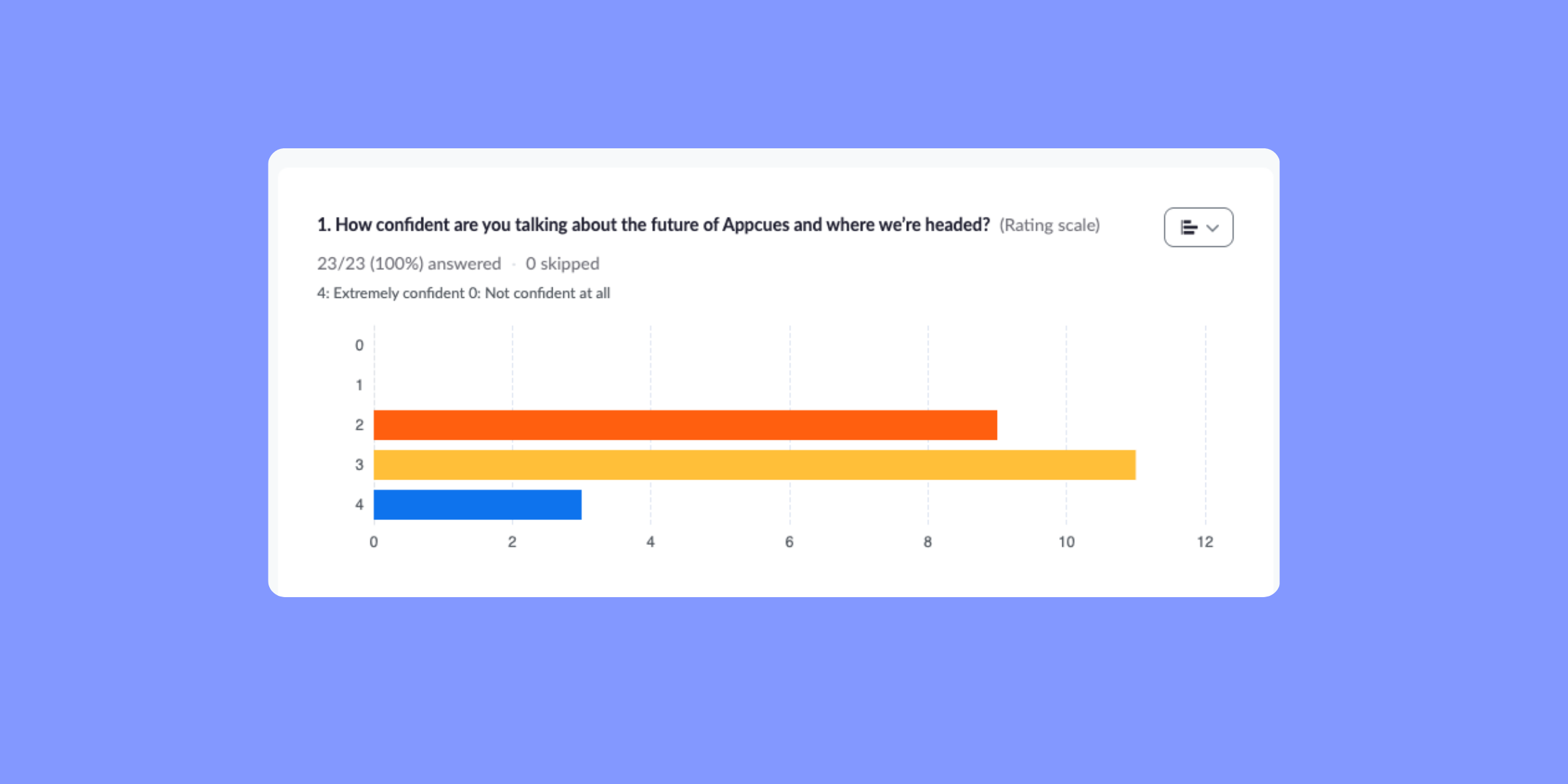
Sara: You polled the group at the beginning and end of the first session. What changed?
Anna: The confidence shift was immediate.
Before the session, 39% of attendees rated their confidence as a 2 (and only 13% rated it a 4). After, the 2s dropped to 8% — and the 4s jumped to 28%.
Elana: Which is the whole point. This isn’t about dumping more updates on people. It’s about helping teams connect the dots and walk away feeling clear enough to talk about it.

Ship Happens is intentionally unserious—but it’s solving a serious GTM problem.
When you’re shipping a lot, the question isn’t “how do we announce everything?”
It’s: how do we help teams carry a shared story, consistently, with confidence—without burning them out?
Ship Happens is Elana and Anna’s answer. And it starts with the simplest question of all:
Wait… so what’s going on?
Ship Happens is about making change feel clearer — and making it easier for teams to deliver value without the swirl.
If you want to see what that looks like on the customer side, explore how Appcues helps teams build better experiences through user engagement.
Product Development
Experimentation & A/B Testing
Advocacy & Referrals
Roadmap & Release Communication
If you’ve ever left an enablement session thinking, “wait…so what’s going on?”, don’t worry. Elana and Anna have been there too.
So they built something new: Ship Happens, a podcast-style enablement series for customer-facing teams at Appcues. It’s a recurring, conversation-first format meant to connect the dots across what’s shipping, why it matters, and what teams actually need to do with it.
I sat down with Elana Heffley (Director of Customer Marketing) and Anna Casey (Director of Product Marketing) to talk about the initiative—what sparked it, what they’re hoping it changes, and why “governance” might work better when it’s wearing a podcast costume.
Sara: Okay. Ship Happens. What is this thing?
Anna: Ship Happens is our new enablement podcast series. So it is a regularly recurring event where Elana and I will yap at mostly our customer facing teams about… hopefully two things.
Sara: Two things?
Anna: The first is like high-level what’s going on, and the second is tactical… what do I need to know? Deep dives.
Elana: The reason we’re doing it is because we have the good problem of shipping a lot — new functionality, updates, progress against the roadmap. And it’s very easy for customer-facing teams to get overwhelmed.
Sara: So it’s not just “here are updates.” It’s “here’s how to make sense of them”?
Elana: Exactly. We want to make it easier for teams to understand how “the sum of the parts tell a story”. So it’s cohesive, not “disparate, disconnected, disjointed things” they’re expected to deliver like a checklist.
Sara: You keep saying “podcast.” What does it actually look like?
Elana: We’re calling it a podcast because we want to give the vibe… this isn’t like a serious meeting where we’re just going to talk at people. We want it to feel like a live podcast show—audience interaction, community, involvement. And honestly, we want to take some of the stuffiness out of enablement.
Sara: So it’s a strategic rebrand of enablement as… not painful?
Elana: (laughs) That’s part of it. Customer-facing teams have customers emailing them, meetings stacked back-to-back—there are a lot of reasons enablement becomes something people don’t want to sit through. The goal is to keep people engaged and make it less of an “ugh, another enablement session” vibe.
Anna: When you think of podcasts, you think of them as informational and conversational—and that’s what we wanted to communicate.
Sara: Where did the idea come from?
Anna: Our Slack DMs.
Elana: We were in an enablement session late last year, already talking about doing a regular enablement series in 2026. And in our DMs it was basically: meeting title… idea… wait, what’s going on?
Elana: It spiraled into banter, like: “well what if we did it as a podcast?” And then we were like… wait. This is actually something we could do.
Sara: The trailer really committed to the bit. What was the opening question again?
Elana: “What’s the dumbest thing your bosses let you do?”
Sara: Iconic.
Ship Happens is funny on purpose. But it’s not a joke initiative.
Under the “podcast” label is something more serious: a governance and communication system meant to reduce confusion, create consistency, and help teams feel confident about how to be more effective partners to their customers.
Sara: If you’re changing how enablement works, something must not have been working. What are you trying to change?
Anna: At a high level… we felt a lot of said and unsaid confusion. And our big goal was: let’s reduce that. It showed up as “disconnected confusion,” lots of related questions, and the same questions coming up over and over.
Elana: And when you’re running enablement calls, you can see when it’s not landing. People are looking at other monitors, zoned out. It’s disheartening—but it’s also evidence. It’s an input that what we’re doing isn’t working.
Sara: Why do you think questions weren’t coming up live?
Elana: Some people don’t feel comfortable coming off mute on a big call. Sometimes they don’t even know what to ask yet.
Elana: Historically, we’ve been throwing a lot of things at people in a disparate way. Without a consistent recurring series that connects the pieces to a broader message, teams walk away thinking: okay… now what? Or: how does this get prioritized against the other 18 things I’ve been told to do?
Sara: That’s real.
Elana: Also—if people aren’t engaging with Notion pages, or resources we share, that’s feedback. It’s evidence there’s a disconnect. The intention with Ship Happens is to change the behavior from silence and uncertainty to more confidence and clarity: what we expect from people, by when, how we’ll support them, where it sits in the priority stack.
Sara: Why this, why now?
Anna: Appcues is at a time of incredible transformation. And for really effective change management, you have to make people a part of the change with you for it to be successful.
It’s a simple point—but it’s also the core of Ship Happens. It’s not just information. It’s an attempt to bring customer-facing teams into the narrative as it’s being built, so they can carry it forward with confidence.
Sara: When this works—how will you know? What are you hoping happens?
Elana: If I were to spot listen to 10 Gong calls… I would hope we are hearing consistency. Not repetition. People should still be authentic. But I hope we hear customer-facing teams speak confidently and consistently about the story that we’re building.
Sara: What else changes downstream?
Elana: We see more partnership between marketing-led campaigns and customer-facing teams—and vice versa. And ultimately, customers get more value from what we’re shipping and launching, because as a united GTM team, we’re telling the same story.
Anna: I hope we see “little changes” that are meaningfully big—speaking more on-message, using more resources, being more open with questions, feedback, opinions. And just… more confidence coming from teams.
Sara: Do you have a measurement lens too?
Elana: In an ideal world, we will see faster and deeper adoption of the things that we are sharing with our customers. Healthier customers faster—because teams can talk about value in a way that actually helps customers realize it.
Sara: You polled the group at the beginning and end of the first session. What changed?
Anna: The confidence shift was immediate.
Before the session, 39% of attendees rated their confidence as a 2 (and only 13% rated it a 4). After, the 2s dropped to 8% — and the 4s jumped to 28%.
Elana: Which is the whole point. This isn’t about dumping more updates on people. It’s about helping teams connect the dots and walk away feeling clear enough to talk about it.
Ship Happens is intentionally unserious—but it’s solving a serious GTM problem.
When you’re shipping a lot, the question isn’t “how do we announce everything?”
It’s: how do we help teams carry a shared story, consistently, with confidence—without burning them out?
Ship Happens is Elana and Anna’s answer. And it starts with the simplest question of all:
Wait… so what’s going on?
Ship Happens is about making change feel clearer — and making it easier for teams to deliver value without the swirl.
If you want to see what that looks like on the customer side, explore how Appcues helps teams build better experiences through user engagement.

Sign up for Quickcues and get our monthly updates!
.svg)